Rainy Season Trenchless Sewer Repair: What to Expect
Keep Rain From Turning Sewer Issues Into Yard Damage
Rainy months can bring hidden sewer line problems to the surface. In Livermore, wet soil, extra runoff, and more time spent at home during the holiday season can make slow drains, odors, and repeat clogs harder to ignore. A sewer issue that seemed minor during drier weather may start showing clearer warning signs once the ground is saturated.
Cracks, root intrusion, shifted joints, and aging pipe materials can all affect how a sewer line works. When an underground line needs repair, the appropriate method depends on the condition of the pipe, available access, and local requirements. Evaluating the actual condition of the line helps determine a repair approach based on what is present, not a guess.
When Rain Reveals Sewer Line Trouble
Rain does not automatically cause a sewer line to fail. More often, wet conditions reveal a problem that was already developing underground. Roots may have entered through a small opening, a pipe may have cracked or settled, or buildup may be restricting flow inside the line.
Pay attention if plumbing trouble keeps returning, especially when several fixtures are involved. A single slow sink may be a local drain issue. Multiple slow drains throughout the property can point to a larger concern with the main sewer line.
Common warning signs include:
- Repeated drain backups or clogs that return after clearing
- Gurgling sounds from toilets, tubs, or nearby drains
- Sewage odors inside or outside the property
- Water pooling near the route of the sewer line
- Slow drainage in more than one fixture
Keeping track of when symptoms happen can help narrow down the cause. Note which fixtures are affected, whether the problem follows rain, and whether it comes back after drain cleaning. That information can help determine whether the issue is isolated or connected to the main sewer line.
If sewage is backing up, avoid running multiple plumbing fixtures at once. Adding more water to the system can make the backup worse and spread wastewater into areas where it does not belong. A prompt assessment is the safest next move.
How Repair Methods Can Limit Disruption
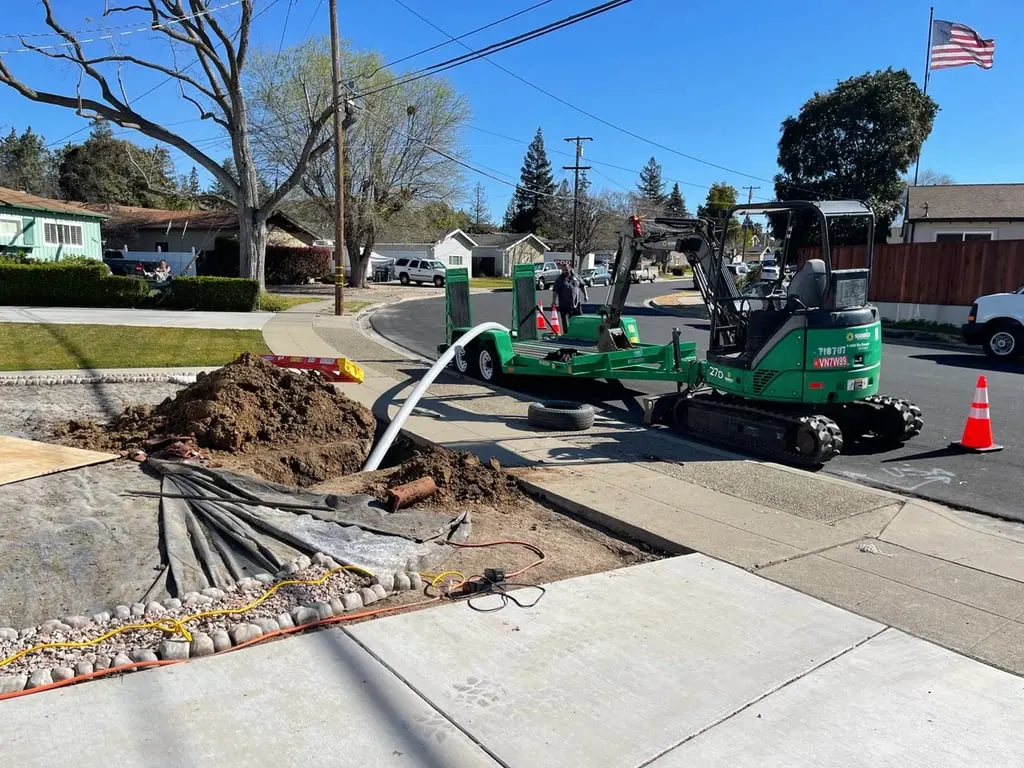
Traditional sewer repair can involve digging along the full path of the underground pipe. That may mean disturbing lawns, garden beds, patios, walkways, or driveways to reach the damaged section. Some trenchless sewer repair methods are designed to limit that disruption when the pipe and site are good candidates for the method.
Depending on the condition of the line and the repair method selected, the sewer pipe may be accessed through smaller entry points rather than opening a long trench across the property. The goal is still the same: repair or replace the damaged sewer line, but with less surface disturbance when possible. See our guide to how trenchless replacement works for a plain-language overview of what is involved underground.
Potential benefits may include:
- Less impact on landscaping and established plants
- Reduced disturbance to patios, driveways, and walkways
- Fewer large excavation areas across the yard
- A more targeted approach to eligible underground pipe damage
Still, lower-disruption repair methods are not the right fit for every sewer line. Pipe depth, the type of damage, the condition of the existing pipe, available access points, local requirements, and internal pipe findings all matter. A severely collapsed section, major misalignment, or access limitation may call for a different repair method.
During rainy weather, limiting excavation can be especially helpful. Wet soil is messy, and unnecessary digging can leave a yard harder to restore. The right method depends on the line itself, not simply the season. For an overview of the two main trenchless approaches, see our comparison of pipe bursting vs. pipe lining.
Why an Internal Pipe Evaluation Guides the Right Repair
An internal pipe evaluation can provide a clear view inside the line before repairs are considered. Instead of assuming a recurring clog is caused by one thing, the process can help locate the problem and show what is actually affecting flow.
Common findings can include roots, grease buildup, cracks, corrosion, separated joints, low areas in the pipe, and collapsed sections. Each issue can behave differently. For example, clearing roots may restore flow for a while, but roots can return if there is still an opening in the pipe. A low spot in the line may hold waste and water, causing repeated backups even after a blockage has been removed.
Accurate diagnosis matters even more during rainy months because several issues can look similar from inside the home. A slow drain may be a temporary blockage, recurring root intrusion, or a damaged sewer line. An internal evaluation helps distinguish between those possibilities and identify repair options that match verified conditions.
That customer-first approach helps prevent wasted effort. Before deciding whether a lower-disruption repair method is appropriate, it is important to understand the pipe's material, layout, damage, and overall condition. A professional sewer camera inspection provides that record.
Rainy-Season Planning Helps Protect Your Property
Recurring drain and sewer symptoms are easier to address before they become an emergency. If your drains have been slow for a while, or a backup has happened more than once, gathering clear information about the line can provide useful answers before seasonal rain adds more stress to the property.
A few sensible steps can reduce the chance of overlooking a growing problem:
- Keep large trees and root-prone areas in mind when sewer issues repeat
- Avoid flushing wipes or sending grease down drains
- Take repeated backups seriously, even if they seem to clear on their own
- Make note of pooling water, odors, and changes in drainage patterns
For commercial properties, sewer concerns can interrupt operations and create sanitation issues for employees and customers. Businesses may benefit from addressing recurring drain trouble before rainy periods and holiday activity place more demands on the building.
Early planning does not guarantee that every sewer problem can be avoided. It does give you more time to understand the condition of the line, prepare for access needs, and consider repair options before wastewater backs up where it should not. Our companion article on what a sewer camera inspection reveals before winter rains covers the diagnostic side of that planning in more detail.
Understanding Sewer Conditions Before Problems Spread
Recurring sewer symptoms deserve attention, especially when rain makes them more noticeable. Repair options vary based on the pipe problem, site conditions, and available access, so understanding the condition of the line is an important first step.
The practical takeaway is simple: do not wait for a repeat clog, odor, or backup to become a larger mess. Identifying the source early can help you make an informed repair decision and protect your yard, plumbing system, and daily routine.
Protect Your Property With Less Disruption
The Otter Squad Plumbing & Drain Cleaning can assess your sewer concerns and explain whether trenchless sewer repair is a practical option for your property. Our team focuses on clear findings, repair recommendations, and solutions that minimize unnecessary digging. If you are ready to discuss your sewer line, contact us to schedule an evaluation. Every job carries our guarantee: Clear Lines or You Don't Pay a Dime.
Get a Straight Answer About Your Sewer Line
If recurring drains, unexplained odors, or a slow main line have you concerned before the wet months, The Otter Squad can run a camera down the line and tell you exactly what is there before any digging starts. Contact us or call (925) 397-2271 to schedule an evaluation with The Otter Squad Plumbing & Drain Cleaning in Livermore, CA.